Check, Clean, Dry: stopping invasive species in UK rivers
Whenever you leave the water, check your kit for mud and plants, clean it with hot water if you can, and dry it for as long as possible. Some of these species survive for over two weeks in damp gear.
By the editorsPublished Sources checked 8 November 2026

The simplest thing a river user can do is follow the three steps of Check, Clean, Dry every time they leave the water. The GB Non-native Species Secretariat says more than fifty invasive freshwater species have already been found in British lakes and rivers, usually introduced by accident, and that the number of new arrivals is rising quickly. Many are small enough to travel unseen on a wet net or a pair of boots.
- Check your equipment, boat and clothing after leaving the water for mud, aquatic animals or plant material. Remove anything you find and leave it at the site.
- Clean everything thoroughly as soon as you can, paying attention to areas that are damp or hard to reach. Use hot water if possible.
- Dry everything for as long as you can before using it elsewhere. Some invasive plants and animals can survive for over two weeks in damp conditions.
Which kit needs the most care
The Secretariat has guidance for anglers and separate pages for boaters, paddlers and field workers. For anglers, it singles out nets and waders. Think also about anything that holds water and stays closed: bait tubs, keepnet bags, the inside of a kayak and the treads of boots.
Dogs count too. An Environment Agency request to river users in Northumberland, published in 2020, asked people to apply the routine to footwear, equipment and dogs after time in or near watercourses. That advice suggested cleaning with warm water and an eco-friendly detergent, then leaving items to dry for 48 hours. The Secretariat's general advice is to dry things for as long as you can, so 48 hours is a minimum if you are going to a different river, not a target.
Signal crayfish and the plague they carry
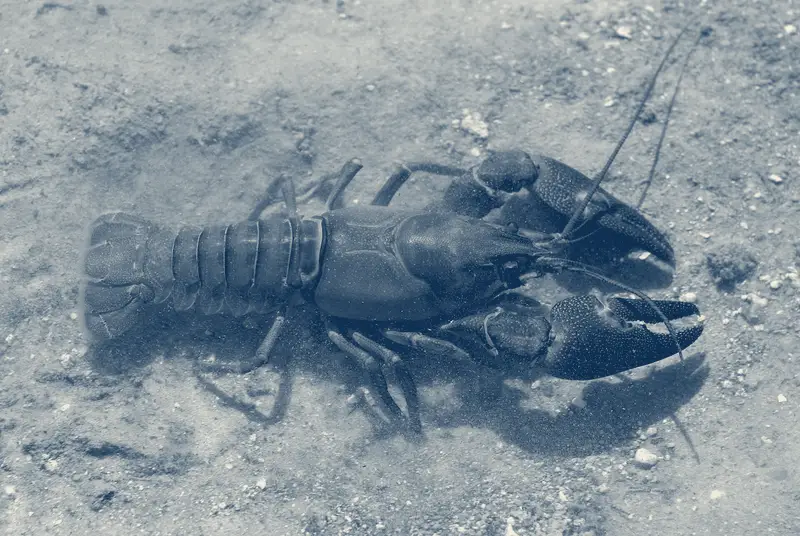

This is the clearest example of why moving water between rivers matters. The American signal crayfish carries a fungal disease that is fatal to our native white-clawed crayfish. According to the Environment Agency, it has wiped out native crayfish from most rivers in southern England. It does not affect humans or other animals.
Crayfish are not free for the taking either. In England and Wales you may not use crayfish as bait. In England, GOV.UK says you must get the Environment Agency's agreement before trapping signal crayfish and other non-native crayfish. Keeping, transporting and releasing listed species are all tightly controlled; the licence for those activities only allows them for eradication, control or containment. If you are tempted by the idea of a free crayfish supper from your local stream, read the rules first.
Himalayan balsam and other riverside plants
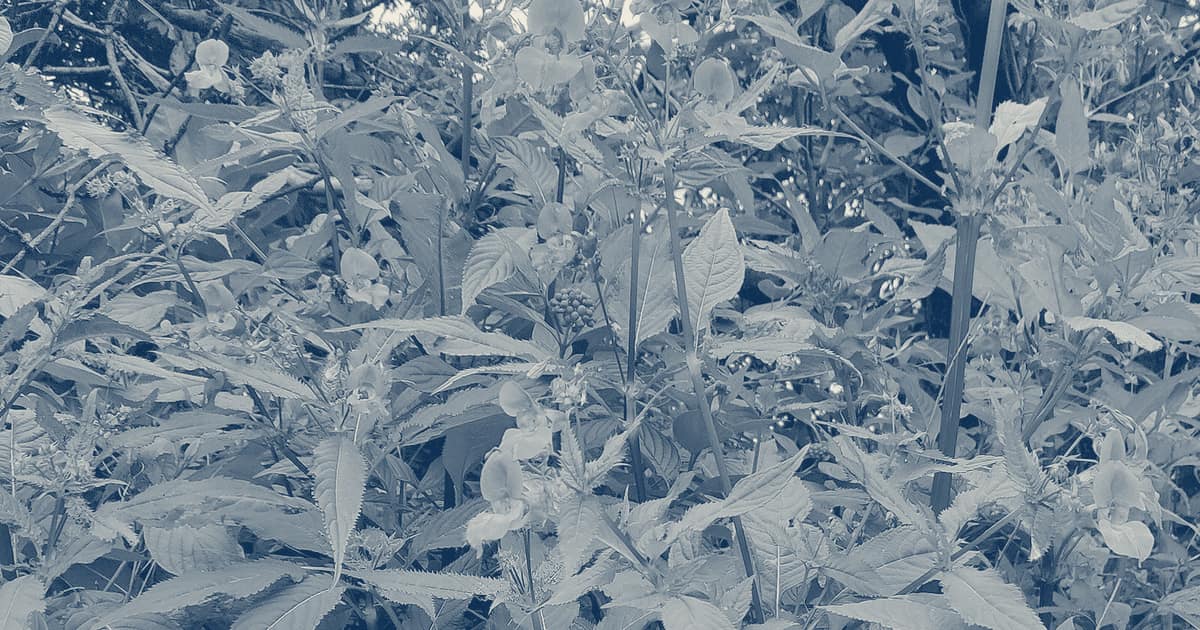
Plants are the invasive species most people can see for themselves. GOV.UK names Himalayan balsam, giant hogweed and Japanese knotweed among the common invasive non-native plants, and its rules for England are direct:
- You must not plant them in the wild or cause them to grow there. That includes moving contaminated soil or cuttings.
- If they are on your land, you must stop them spreading and causing a nuisance or damage to other land or property. If you do not, you could be liable for the damage and could be prosecuted.
- Most non-native plants cannot be composted. Waste has to go through a registered carrier to an authorised site, or be dealt with under the relevant exemption.
Treatment options listed for England include pulling or digging out, cutting back to stop seeds spreading, and approved herbicides. Herbicide use in or near water needs the Environment Agency's agreement, and it requires a certificate or a certificate holder's supervision. This is not a job to improvise on a riverbank. Afterwards, native plants should be re-established to reduce erosion and stop the invader coming back.
If a local group invites you to a balsam work party, the legal position is usually simpler than people fear. Natural Resources Wales confirms that targeted removal of Himalayan balsam to prevent further spread within a catchment does not need a licence under the 2019 order. It still expects best practice and biosecurity to be followed, and waste rules may still apply. If you are joining in, ask the organiser how the pulled plants will be handled and check the landowner has agreed.
In the water itself, the plant to know is floating pennywort. The Canal and River Trust describes its bright green, kidney-shaped leaves and dense mats, which can tangle propellers and oars. Fragments can regrow, so breaking it up by hand or by boat is no fix. The Trust takes reports on its own waterways at 0303 040 4040.
Mussels that arrive unseen
Quagga mussels show how quickly a species can move. First recorded in the UK in 2014 and found in the Thames catchment, they were reported in 2020 in the River Trent near Newton-on-Trent and in Rutland Water. The Environment Agency said it did not know how they had got there, and urged everyone using the water to follow Check, Clean, Dry. Those are the most recent details we could confirm, so check the Secretariat's pages for the current picture.
Rules differ across the four nations
The GOV.UK pages above apply to England. In Scotland, the official environment site states that it is illegal to release, plant or allow to spread any non-native species into the wild, and it takes records through iRecord, where a Scottish verifier confirms them. Wales has its own licensing through Natural Resources Wales. Northern Ireland has a dedicated site, Invasive Species NI, carrying species accounts, legislation and a form for sightings. If you are planning control work rather than simply keeping your kit clean, get the rule from the body for that nation, and take professional advice for anything involving herbicide, waste or a protected site.
What to do if you find something
Do not move it to show someone. Take a photo, note where you were, and leave the plant or animal where it is. The Secretariat's website has species information and a way to record suspected sightings, and the Northern Ireland and Scottish services are above. A record is useful even if the plant turns out to be common, since a map only shows what people send in. For a sense of what else affects your river, see how river health is measured. A bank clear of balsam can also make it easier to spot the water vole burrows that thick vegetation hides.