Do you need a fishing licence? The rules in each UK nation
England and Wales want a rod licence from age 13. Scotland has no licence at all. Northern Ireland asks for a licence and a permit. Everywhere, someone has to give you leave to fish.
By the editorsPublished Sources checked 8 November 2026
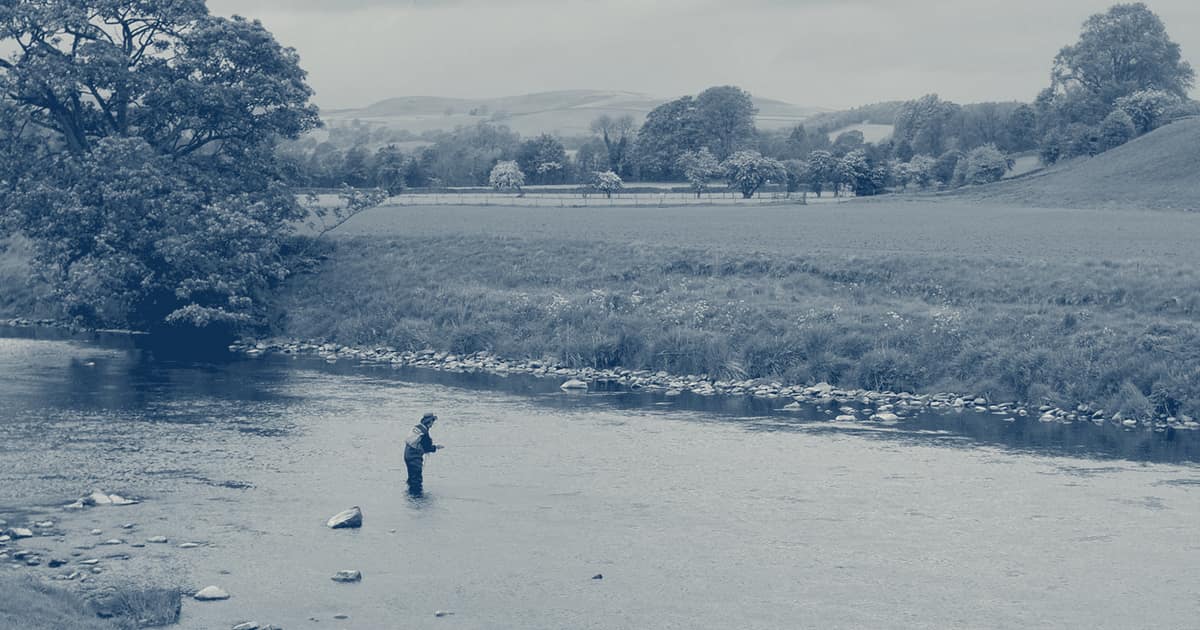

If you fish with a rod in England or Wales and you are 13 or older, yes: you need a rod licence. In Scotland you do not, apart from one river system on the border. In Northern Ireland you need a rod licence and a permit or day ticket as well. All four nations have one thing in common, which is that a licence alone never gives you the right to fish a particular bank. That comes from the owner of the fishing.
| Where | Licence? | Also needed |
|---|---|---|
| England and Wales | Rod licence from age 13 (free for ages 13 to 16) | Permission from the owner or club, usually a permit |
| Scotland | None, except the Border Esk region | A permit or written permission from the owner of the fishing rights |
| Northern Ireland | Rod licence for freshwater fishing | A permit or day ticket |
England and Wales: the rod licence
GOV.UK says you need a licence to fish with a rod and line for salmon, trout, freshwater fish, smelt or eel in England (except the River Tweed), in Wales, and in the Border Esk region, including the Scottish part of that river. It applies on private land too, so a club water or a private lake is not an exception.
Children under 13 do not need one. Those aged 13 to 16 need a junior licence, which is free but still has to be obtained. A carer who is with someone fishing does not need a licence unless they are fishing as well.
The penalty is the part people remember: a fine of up to £2,500 if you fish in these areas and cannot show a valid licence when asked.
Which licence, and how many rods
There are two types, and the choice comes down to one question: will you fish for migratory fish?
- Trout, coarse fish and eel. Covers non-migratory trout and all freshwater fish, including smelt and eel. You may use one rod for non-migratory trout in rivers, streams, drains and canals, up to two for that trout on reservoirs, lakes and ponds, and up to two for other freshwater fish. A 12-month version allows up to three rods for freshwater fish other than non-migratory trout.
- Salmon and sea trout. Adds salmon and sea trout. One rod for those fish and non-migratory trout on rivers, streams and canals; up to two on reservoirs, lakes and ponds; up to three for other freshwater fish. Holders must send in a catch return every year, even if they did not fish.
Spod and marker rods do not count towards the limit, as long as they have no hooks on them. A venue can set tighter rules of its own.
What it costs
These are the prices listed on GOV.UK when we checked for this article. They change, so look at the official buying page before you budget.
| Length | Trout and coarse, up to 2 rods | Trout and coarse, up to 3 rods | Salmon and sea trout |
|---|---|---|---|
| 1 day | £7.30 | Not offered | £13.50 |
| 8 days | £14.70 | Not offered | £30.50 |
| 12 months | £36.80 | £55.30 | £93.10 |
| 12 months, aged 66 or over or disabled | £24.50 | £36.80 | £62.00 |
| 12 months, junior (13 to 16) | Free | Free | Free |
You can buy online for yourself or someone else, up to 30 days before you want it to start. The Environment Agency's licence line is 0344 800 5386, Monday to Friday, 8am to 6pm, except public holidays. If you receive PIP or DLA and want the 12-month concession, have your National Insurance number to hand.
Permission is a different question
A rod licence is paid to the state and has nothing to do with who controls the water. You also need the agreement of the landowner or fishery owner, and in practice that usually means a permit or club membership. GOV.UK gives the Thames as an example, where locks and weirs need a separate lock and weir permit. Taking fish from privately owned water without the owner's written permission can bring a fine of its own.
Scotland: no licence, but not a free-for-all
The Scottish Government puts it plainly: Scotland does not have fishing licences for recreational fishing. What you do need is permission, often in the form of a permit, sometimes as written permission from whoever owns the fishing rights. Those rights can be held separately from the land, so asking the farmer whose field you are standing in may not settle it. The government suggests checking with the local district salmon fishery board or the river or fisheries trust.
The exception is the Border Esk. Because that river flows into England, you need an England and Wales rod licence to fish any part of it, including the Scottish sections and tributaries. The separate seasons are covered in our guide to when you can fish a river; Scotland has a Sunday ban on rod fishing for salmon that surprises visitors.
Northern Ireland: licence plus permit
To fish lakes, loughs and rivers in Northern Ireland you need a rod licence and a permit or day ticket, and you cannot buy the second without holding the first. nidirect says to carry your licence whenever you fish, because you can be prosecuted without it.
- Game licence from DAERA: salmon and all freshwater species, on one rod and line or hand line.
- Coarse licence from DAERA: freshwater species except salmon, brown trout and rainbow trout, on up to two rods, and only on DAERA-managed coarse waters.
A DAERA permit covers the department's Public Angling Estate; private fisheries outside it need a permit from the owner. Permits come in age-based versions, with a juvenile permit for anyone who has not reached their nineteenth birthday and a concessionary permit from age 60. The Foyle and Carlingford catchments have their own body, the Loughs Agency, which sells its own licences, so check which authority covers your water before you pay anyone. Sea angling generally needs neither licence nor permit, unless you are fishing for salmon or sea trout.
Rules beyond the licence
Holding a licence in England or Wales still leaves you bound by national rules and local byelaws. A few that catch people out:
- Any eels you catch, other than conger eels, must be released alive.
- You cannot use crayfish as bait. That rule has a conservation reason, explained in our piece on invasive species.
- Lead weights are only allowed if they are .06 grams or less, or more than 28.35 grams.
- A rod left unattended in the water, or one you lack proper control over, is illegal.
- Selling rod-caught salmon or sea trout can bring a fine.
Size limits, daily catch limits and tackle restrictions vary by region and are set out in the freshwater rod fishing rules and the byelaws they point to. If you see someone fishing out of season or without a licence in England, the government runs a reporting service for illegal fishing. Someone fishing without the owner's permission is a matter for the police rather than the Environment Agency. Spillages and dead fish are different again, and our guide to reporting river pollution gives the numbers for each nation.